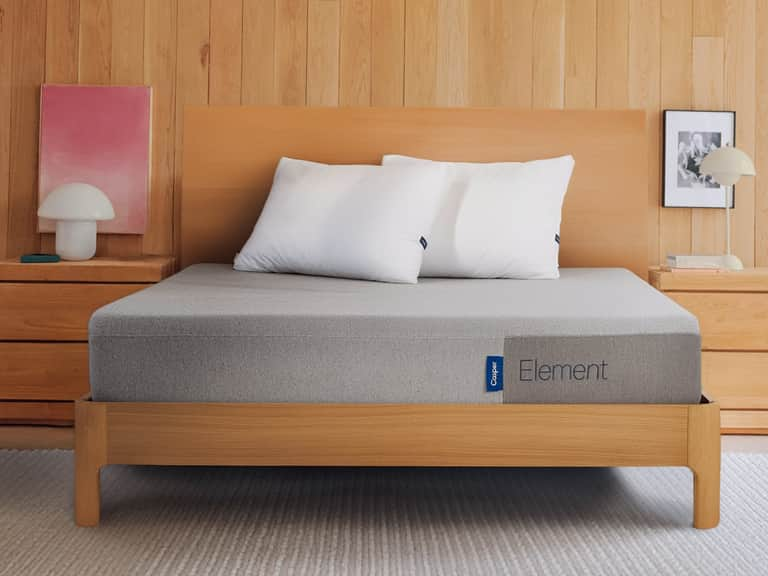
Foam mattresses are designed to provide balanced support, pressure relief, and motion isolation, making them suitable for diverse sleeping positions. This category highlights foams with varying densities and cell structures to adapt to body weight, contouring to curves while maintaining spinal alignment. Understanding foam types helps compare comfort levels and durability across models.
Closed-cell and open-cell foams offer different ventilation profiles, with open-cell foams typically enhancing breathability and temperature regulation. Layered constructions often combine memory foam for contouring with high-density base foams for support. Recognizing these configurations aids in selecting a mattress that sustains comfort through the night and over years of use.
Key features to consider include density, firmness, conforming characteristics, and resilience. Organic and natural latex integrations in some foam mattresses can improve durability and reduce off-gassing, contributing to healthier indoor environments. For those seeking hypoallergenic options, foam formulations may incorporate antimicrobial additives or naturally derived materials.
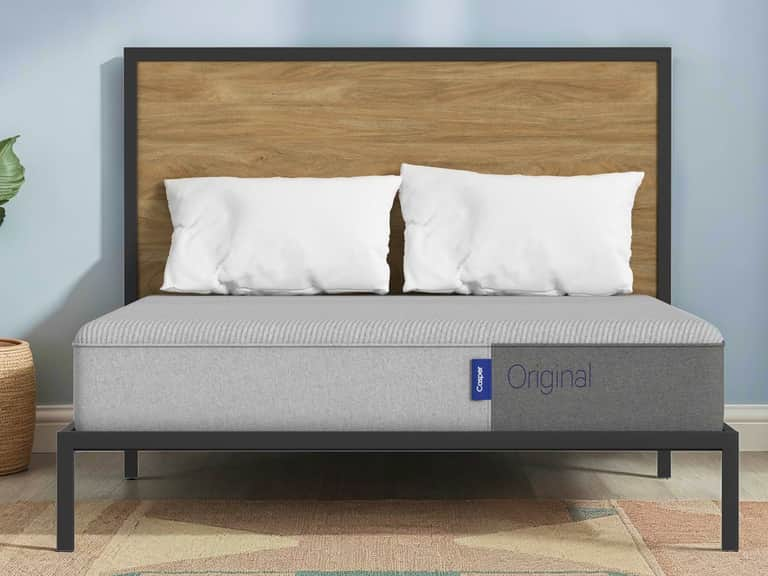
In this category, the Original Mattress exemplifies foundational foam comfort, integrating a supportive core with a comfort layer designed for pressure relief. Functional benefits include reduced sinkage at the hips and shoulders, steady spinal alignment, and ease of movement across the sleeping surface. This model demonstrates how foam architecture translates to practical nightly usability.
Understanding how toppers, pillows, and travel accessories relate to foam mattresses enhances sleep ergonomics. Compatible toppers can adjust firmness and boost contouring, while travel pillows complement neck support on the road. Meta keywords such as organic mattresses, natural latex organic mattresses, pillows, travel pillows, and toppers reflect the broader ecosystem around foam-based sleep solutions.
 Mattresses