Choosing the Right Mattress: A Practical Guide to Sleep Science and Comfort
A thoughtful approach to selecting a mattress blends the science of sleep with everyday practicality. This guide travels through sleep styles, health considerations, material intelligences, and testing strategies to help you choose with confidence. It also invites you to explore product options that align with natural materials and durable design, including concrete recommendations such as the Naturepedic Wooly Mattress Topper to elevate comfort without compromising health or sustainability.
Understanding Sleep Science and Personal Sleep Style
Sleep is not a single, uniform experience. It is a dialogue between your body and your environment, with the mattress acting as the stage for repair, memory consolidation, and energy renewal. The science of sleep informs how we choose a surface that supports spinal alignment, relieves pressure points, and regulates temperature. The most important starting point is identifying your sleep style: back, side, or stomach sleeper. Each posture carries unique demands on cushion, support, and loft.
Back sleepers generally benefit from a balanced support that maintains the natural curvature of the spine. Side sleepers often need enhanced pressure relief at the hips and shoulders, which can be achieved through foam blends or latex varieties that contour to curves without excessive sink. Stomach sleepers may require a firmer surface to keep the pelvis from sinking and pulling the spine out of alignment. Materials science—latex, memory foam, natural fibers, and hybrids—offers a spectrum of experiences from buoyant and resilient to soft and enveloping.
Beyond posture, temperature regulation emerges as a crucial factor. A mattress that traps heat can hinder sleep quality, leading to restless nights. Natural fibers like organic wool, cotton, and latex cores tend to breathe more readily than dense synthetic foams. Temperature-friendly choices also align with broader wellness goals, including allergy considerations and sustainable sourcing. The science and the shopper’s instinct converge when selecting a surface that not only feels comfortable on night one but remains durable and supportive over years of use.
Common Mattress Types: What They Feel Like and Why They Matter
To navigate the market, it helps to map different mattress types to intuitive categories of feel and function. Each material has distinct properties that influence support, pressure relief, motion isolation, and longevity:
- Latex mattresses: Known for natural resilience and buoyant support. They offer good contour without excessive sinking, making them suitable for combination sleepers who switch positions during the night. Natural Dunlop latex, such as that used in premium toppers, often pairs well with other natural fibers to optimize temperature and feel.
- Memory foam and viscoelastic foams: Emphasize deep pressure relief and body feel that hugs curves. They can isolate motion effectively, which benefits multi-sleeper households, but some variants may retain heat unless engineered with breathable channels.
- Hybrid mattresses: Combine coil support with foam or latex comfort layers. They aim to deliver the best of both worlds—responsive lift and targeted pressure relief—while often seeking to optimize edge support and airflow.
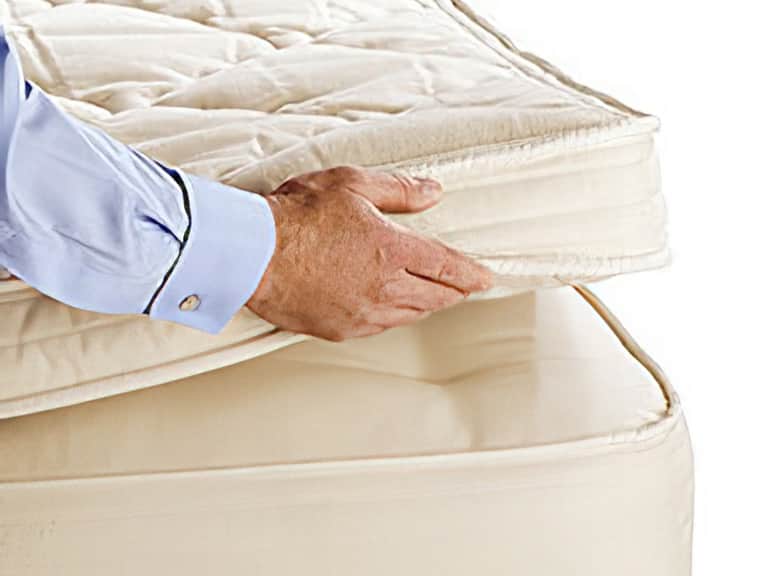
- Natural fiber toppers and toppers: Wool, cotton, and organic wool toppers provide a softer, breathable layer that adds loft without the chemical exposure associated with some polyurethane foams. A topper like the Naturepedic Wooly Mattress Topper adds plush warmth and temperature regulation through natural wool.
In the end, the best mattress type is the one that aligns with your sleep style, health needs, and daily habits. A practical approach is to test feel in-store or at home through trial periods and protective measures, while keeping a focus on durable materials that resist the wear of nightly use.
Health Considerations: Pressure Points, Allergies, and Temperature
Health is the thread that weaves through every phase of choosing a mattress. Pressure-point relief helps prevent awakening with aches, while allergy-friendly materials protect sensitive sleepers from irritants found in some conventional foams or synthetic fabrics. Temperature regulation links closely with comfort, sleep onset, and night-to-night consistency.
Pressure point relief benefits from contouring materials that cradle the body’s curves without excessive compression. Natural latex and latex blends provide buoyant contouring with air-flow advantages, while wool and cotton layers offer warmth and moisture-wicking properties that contribute to a stable microclimate. For allergy-conscious households, natural materials that avoid polyurethane foam or flame retardants can reduce irritants and improve overall sleep quality.
Durability matters for long-term health considerations too. A mattress should retain support and shape without sagging, ensuring spinal alignment from night to night. This durability is often a product of the core construction and the quality of comfort layers. When evaluating, consider warranty terms, density ratings, and the reputation of the brand in maintaining consistent support over time.
Testing Strategies: How to Evaluate a Mattress in Store or at Home
Testing a mattress should be more than closing your eyes and hoping for a good night's sleep. It involves a methodical approach to assessing support, alignment, and comfort. In-store trials often provide the opportunity to lie on the surface for several minutes, but a more deliberate plan can reveal how a mattress performs over longer intervals. At home, consider a relaxed test period during which you sleep on the mattress for a trial window, typically 30 to 100 nights, depending on the brand’s policy.
Key evaluation points during trials include:
- Support: Check whether your spine maintains its natural alignment in different positions. A useful rule is to feel a gentle lift along the lumbar region without feeling pinned or hard pressure points.
- Pressure relief: Lying on the most pressure-prone areas—shoulders and hips for side sleepers—should not cause sharp discomfort or sinking that disrupts alignment.
- Motion isolation: If you share a bed, observe how movements transfer across the surface. Good motion isolation supports restful sleep for both sleepers.
- Temperature: Note how the surface handles heat and moisture. Breathable materials and natural fibers often provide a cooler, more comfortable sleep experience, especially in warmer environments.
- Durability: Consider how the mattress feels after several nights. A mattress that starts very soft or very firm may settle into a balanced feel as it settles in, but persistent changes in support or shape warrant careful consideration.
Supplementary strategies include using mattress protections and toppers to extend comfort and lifespan, maintaining proper ventilation around the bed, and complementing the mattress with a sleep hygiene routine to maximize the quality of rest.
Key Figures in Sleep and Comfort: Lessons Through Time
Three notable individuals from different eras illustrate how sleep science, comfort design, and daily life intersect with mattress choices:
- Hippocrates (c. 460–370 BCE): Often regarded as the Father of Medicine, Hippocrates recognized the importance of rest for bodily healing and health. His emphasis on routine and balance in daily life hints at the ancient roots of sleep hygiene—a concept that modern science has refined but not replaced. His approach reminds us that a supportive sleep surface is just one facet of a holistic health regimen.
- Florence Nightingale (1820–1910): A reformer of healthcare environments, Nightingale stressed the importance of restful conditions for recovery. Her attention to environment—air, cleanliness, and order—parallels contemporary ideas about sleep-friendly bedrooms. The evolution from hospital beds to consumer mattresses reflects a broader shift toward personal responsibility in achieving restorative sleep.
- Peter M. Huber (late 20th century public health advocate and author on risk and technology): While not a clinician, Huber’s work on risk and everyday technologies underscores how consumer choices—down to a mattress—shape well-being. His perspective encourages readers to weigh safety, materials, and durability when evaluating products that interact intimately with our bodies during vulnerable hours of rest.
From antiquity to modern consumer biology, these figures illuminate a throughline: sleep is an intimate act that blends physiology, psychology, and environment. The mattress is the instrument by which we access that intimate act, and choosing wisely requires an understanding of both timeless principles and contemporary innovations.
A Spotlight on a Natural Material: The Naturepedic Wooly Mattress Topper
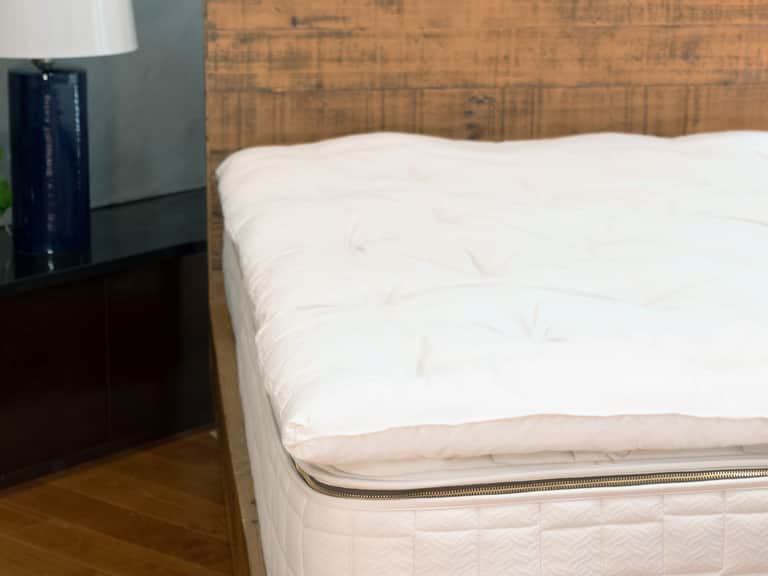
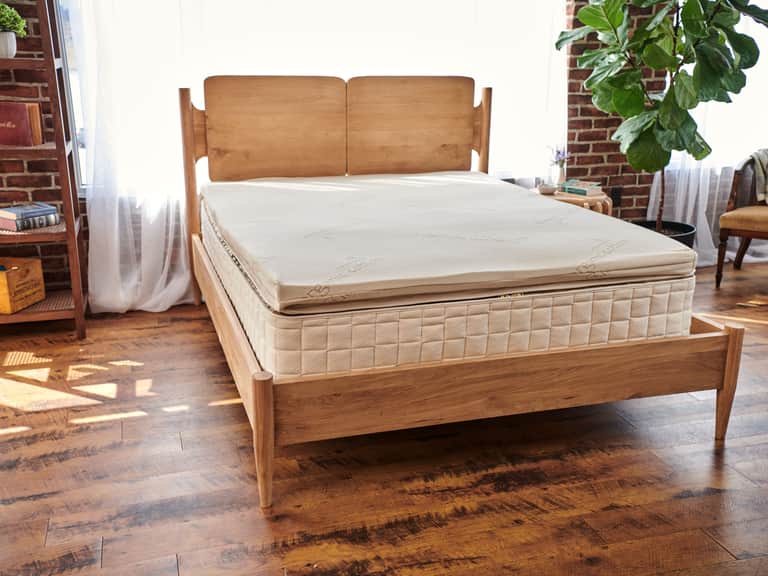
The Naturepedic Wooly Mattress Topper stands as a tangible example of how natural materials can elevate comfort without introducing synthetic additives. The Wooly topper, available in a generous 3-inch thickness, layers certified organic wool between a breathable organic cotton cover and a supportive base to create a plush, hotel-like surface. Wool’s inherent temperature regulation and moisture-wicking properties contribute to year-round comfort, mitigating both overheating and clamminess by allowing air to circulate through the topper.
Key features include:
- GOTS-certified organic wool batting for temperature regulation and pressure distribution
- Organic cotton sateen cover for softness and breathability
- A 3-inch thickness that adds a noticeable but balanced loft to firm or cushion-firm mattresses
- A 10-year limited warranty that speaks to durability and long-term performance
Care involves spot-cleaning and routine rotation to ensure even wear, with attention to using protective pads to shield the mattress from accidental spills. The Wooly topper embodies a philosophy of comfort through natural materials, aligning with readers who value health-conscious, sustainable sleep surfaces.
For readers seeking to blend science with sensorial comfort, the Wooly topper is a compelling option to consider alongside other Naturepedic products such as the Adagio Organic Dunlop Latex Topper, which offers a slightly crisper, springy feel using organic latex and a breathable cotton cover. Together, they demonstrate how materials choice translates into a bedroom signature—one that respects body, climate, and conscience.
An In-Depth Guide: How to Use This Knowledge in Your Mattress Purchase
To translate theory into practice, consider a structured decision framework that mirrors the ethics of good exploration and careful observation:
- Identify your sleep style and any health considerations (back, side, stomach; allergies; temperature preferences).
- List priority outcomes for your mattress (support, pressure relief, motion isolation, durability, environmental impact).
- Compare representative options across the material spectrum, focusing on durability, warranty, and material safety. For example, compare latex toppers like Naturepedic Adagio with wool toppers like Naturepedic Wooly to understand how each approach affects feel and climate control.
- Evaluate trial policies and return options. A generous trial period helps you accumulate real-world data beyond a showroom simulation.
- Complement the mattress with appropriate toppers, protectors, and bedding that reinforce sleep hygiene and environment quality (cooling sheets, breathable covers, proper air circulation around the bed).
Through a disciplined approach, you can move beyond impulse and toward a decision aligned with long-term health and daily comfort.
Conclusion: Sleep Well, Live Well
Choosing the right mattress is less about chasing the latest trend and more about cultivating a sustainable relationship with your body and your environment. The science of sleep provides guidance on how to support alignment and temperature, while the practical realities of trial periods, warranties, and material safety anchor decisions in lived experience. The pathway to better sleep lies in a balanced blend of posture-aware support, material intelligence, and a resilient commitment to sleep hygiene.
As you consider your options, remember that the best bed is the one that feels right to you—tonight and for years to come. The journey from discovery to rest is a personal voyage through anatomy, comfort, and honesty about what helps you sleep most soundly. And in that journey, you may find that a Naturepedic Wooly Mattress Topper or Naturepedic Adagio Latex Topper can be more than an accessory—they can be the doorway to a deeper, more restorative sleep.
Notes on Sources and Further Reading
For readers seeking to explore beyond this guide, consider delving into sleep science literature, consumer reports on mattress durability, and brand materials disclosures. The recommendations highlighted in this article—such as Naturepedic Wooly Mattress Topper and Naturepedic Adagio Latex Topper—reflect a growing movement toward organic, toxin-free sleep environments and transparent product descriptions. Engaging with reputable sources and manufacturer data sheets can deepen understanding of how materials influence comfort, safety, and longevity.
Related Categories
Pillows
Explore pillow types and materials that complement mattress choices for better head and neck support.
Category: Pillows
Latex Mattress Toppers
Latex toppers offer buoyant comfort and natural resilience for refined sleep surfaces.
Category: Latex Toppers
Featured Products
Naturepedic Wooly Mattress Topper
Transform your mattress with a plush 3" topper crafted from GOTS-certified organic wool and organic cotton cover. Temperature regulation and moisture-wicking properties create a comfortable balance year-round.
Price: $749.00
View Product
Naturepedic Adagio Organic Dunlop Latex Topper
Elevate sleep with organic Dunlop latex core, wrapped in organic cotton. A smooth, breathable feel that complements firm to medium mattresses.
Price: $399.00
View Product