Sleep Science 101: How Mattress Materials Impact Your Health and Comfort
Explore how different mattress materials influence sleep quality, temperature regulation, and spinal alignment. This primer highlights common options like latex, wool, and organic cotton, helping readers choose a healthier, more comfortable bed.
In the quiet dark of night, the body performs a slow, intricate negotiation with the surface beneath it. The mattress, a seemingly simple platform, becomes a stage where temperature, pressure, and support converge to shape the rhythm of sleep. Material science, once the preserve of laboratories and factory floors, now quietly informs every buyer’s journey—from the first spark of curiosity to the final nod at checkout. This article, written in the spirit of National Geographic’s editorial curiosity, journeys through three core materials—latex, wool, and organic cotton—and examines how each interacts with sleep styles, climate, and health considerations.
A Brief Map of Mattress Materials
The modern mattress market blends traditional comfort with science-backed design. Latex, wool, and organic cotton appear not merely as padding but as active participants in how warm we stay, how well we move, and how our spines align through the night. Each material contributes a unique texture to the sleep experience:
- A natural, elastic foam that returns quickly to shape, offering responsive cushioned support. Its breathability and buoyant feel can relieve pressure points and reduce heat buildup for many sleepers.
- A natural insulator and moisture regulator. Wool layers promote temperature neutrality—cool in summer and warm in winter—while wicking moisture away to prevent dampness and discomfort.
- A breathable, chemical-free cover material that can encase latex cores or wool layers. Organic cotton reduces chemical exposure and supports a cooler, dryer sleep surface when paired with natural fills.
1) Latex Mattress Toppers and Cores: The Bounce of Support
Latex has earned a reputation for its springy resilience and durable structure. When used as a topper or core, latex creates a surface that responds to body weight and contour with a lively lift, helping to distribute pressure away from hips and shoulders. For side sleepers or heavier individuals, latex can offer a stable, buoyant feel that maintains spinal alignment without sinking excessively.
In the field of sleep science, latex is often celebrated for its breathability. Dunlop latex, in particular, is denser and more supportive, while Talalay latex tends to offer a lighter, more uniform feel. The choice between Dunlop and Talalay can influence perceived temperature and contour, with Dunlop often favored for firmer support and breathable performance, and Talalay for a silky, consistent hug.
When selecting latex-based options, consider:
- Core composition: natural latex vs. blended variants
- Density and firmness levels to match sleep style
- Cover materials and washability for long-term hygiene
2) Wool: Natural Temperature Regulation and Comfort
Wool stands out for its remarkable thermal adaptability. A wool topper or layer can wick moisture away from the body while maintaining an insulating boundary, creating a microclimate that resists overheating or chilling. For sleepers in variable climates or those who sweat at night, wool offers a natural antidote to temperature swings.
Beyond temperature, wool’s resilience provides a gentle, buoyant support that works in concert with other materials like latex. Combined with organic cotton covers, wool becomes part of a breathable shell that keeps airflow steady and minimizes the risk of moisture-related discomfort.
3) Organic Cotton: Breathable, Chemical-Free Bedding
Organic cotton serves as an ideal face fabric and encasing layer for toppers and pads. Its natural breathability helps to keep the surface cool, especially when paired with latex or wool. Organic cotton is also a practical choice for those who seek to minimize synthetic chemicals in their sleep environment.
Organic cotton is most effective when used as a cover that supports the materials inside. A tightly woven, GOTS-certified cotton cover can enhance durability while maintaining a gentle touch against the skin. For health-conscious readers, organics represent not just a material preference but a broader commitment to sustainable, transparent supply chains.
A Glimpse Through Time: Three Key Figures in Sleep and Material Culture
From the cloth-laden beds of earlier centuries to today’s laboratory-informed comfort, sleep has always reflected a blend of craftsmanship and science. Here are three influential figures who illuminate this evolution across distinct eras.
1) Florence Nightingale (1820–1910): The Science of Comfort and Well-Being
Often remembered for nursing, Nightingale also embraced the environment of healing. Her insights into sanitation and patient comfort laid early groundwork for understanding how resting surfaces influence recovery. In the context of mattress materials, her legacy invites us to consider not only hygiene but the quality of rest as a cornerstone of health. A Nightingale-inspired approach would emphasize clean materials, careful air flow, and the minimization of irritants that disrupt sleep.
2) Charles West (1816–1898): The Materials of Modern Sleep
As a pioneer in medical physiology and anatomical investigation, West’s era helped shift sleep research from mere anecdote to observable phenomena. The late 19th century saw innovations in textile production and early cushioning concepts that would eventually mature into contemporary toppers and mattresses. His spirit reminds us to explore how the physical structure of sleep surfaces interacts with the body’s alignment and circulation during rest.
3) Maria Montessori (1870–1952): Sensory Education for Better Sleep Environments
Montessori’s emphasis on prepared environments and sensory learning provides a lens for understanding how a sleep space can guide healthier habits. When we curate a bedding environment with natural materials, texture, and temperature balance, we are applying Montessori principles to daily life—turning bedtime into a deliberate, calming routine that supports mental clarity and physical restoration.
A Practical Guide: How to Choose Mattress Materials for Your Sleep Style
The best material is the one that aligns with your sleep style, climate, and health considerations. Here is a practical framework to guide decisions:
- Side sleepers often benefit from materials that contour while maintaining structure. Back sleepers may prioritize stable support with a balanced feel. Stomach sleepers typically require firmer support to prevent excessive sagging.
- If you tend to overheat, favor breathable latex or wool layers, and ensure a cotton cover rather than synthetic blends.
- For those with chemical sensitivities or fragrance concerns, organic cotton and natural latex with appropriate certifications (GOTS, GOLS) offer transparent options.
- Choose materials and covers that are easy to clean and maintain over time. Natural fibers often require thoughtful care to preserve their integrity.
A Case Study: Real-World Tops—Naturepedic Wooly Topper and Similar Products
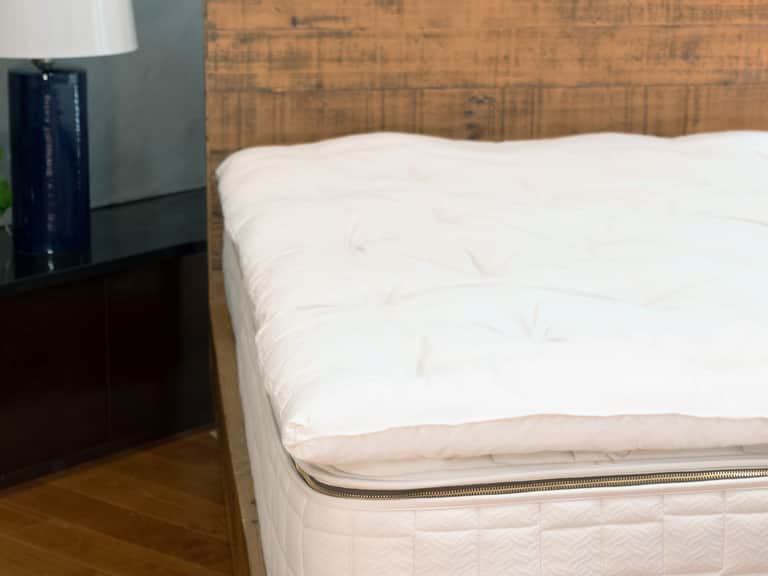
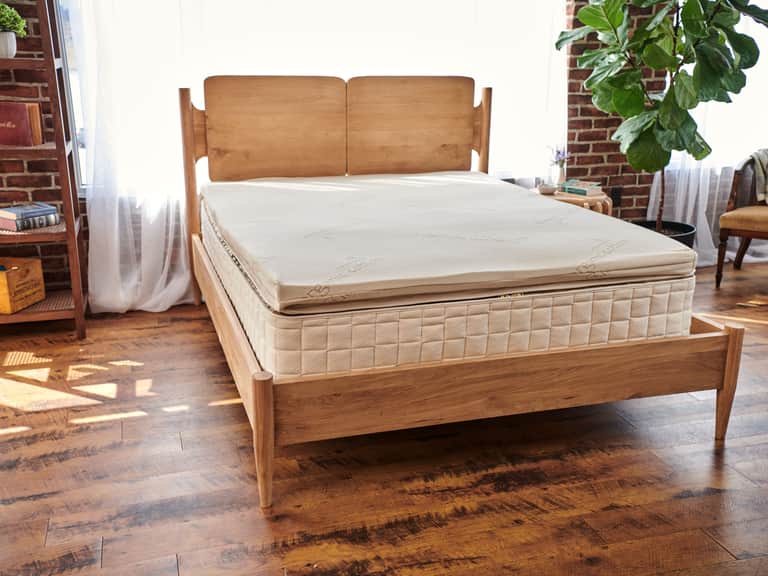
The Naturepedic Wooly Mattress Topper, a 3-inch layer of organic wool beneath a breathable organic cotton sateen cover, embodies the marriage of comfort, temperature regulation, and chemical-free design. This topper exemplifies how wool can regulate warmth and moisture, offering a sleep surface that remains responsive without overheating. The product, widely reviewed for its durable construction and long-term comfort, illustrates how natural materials can deliver a hotel-like plushness while preserving the natural benefits of wool fibers.
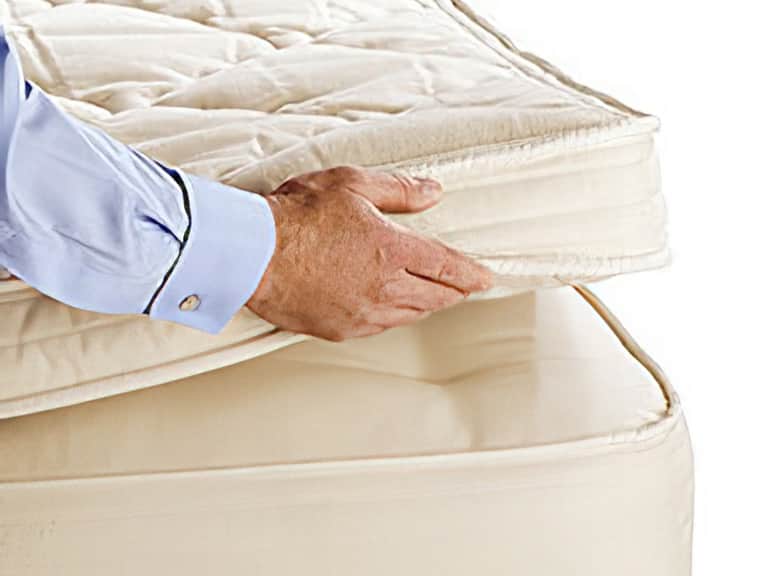
In the broader market, toppers such as the Naturepedic Adagio Dunlop Latex Topper and other wool or latex combinations demonstrate the diversity of options available to consumers seeking a healthier sleep surface. These toppers emphasize the importance of choosing a core material (latex) and a natural fabric shell that together optimize breathability, pressure distribution, and resilience.
Integrating Material Knowledge Into Your Sleep Routine
Materials do not exist in isolation; they interact with your nightly routine, climate, and even your bedding ecosystem. Here are strategies to maximize sleep quality through mindful material choices:
- Pair toppers with breathable, organic cotton covers to encourage airflow and minimize moisture buildup.
- Consider layering strategies: a latex topper for support, a wool layer for temperature balance, and a cotton cover to complete the breathable system.
- Attend to maintenance: regular flipping, spot cleaning as needed, and gentle washing of removable covers extend the life and performance of your materials.
The Language of Comfort: Reading Product Descriptions with a Critical Eye
The marketplace is rich with terms that describe the feel of a surface—soft, medium, firm, plush, and cushiony. While these descriptors are useful, they are subjective. A well-informed buyer translates these signals into measurable criteria: density, loft, core materials, cover fabrics, and certifications. Always look for transparent details: what percentage of latex is natural, whether wool is from certified organic sources, and what certifications guard against harmful chemicals. In the case of a product like the Wooly Topper, the emphasis on GOTS certification and a wool-based composition helps ensure a healthier sleep surface with robust performance characteristics.
Conclusion: A Healthier, More Informed Sleep Surface
The science of sleep is a story of materials meeting physiology. Latex’s responsive lift, wool’s temperature mastery, and organic cotton’s chemical-free embrace come together to form a sleep environment that supports energy, mood, and long-term health. By selecting materials with careful attention to performance, climate, and personal health, readers can craft a sleep sanctuary that not only comforts the body but also respects the environment and the practices of responsible manufacturers.
Product Spotlight
For readers intrigued by the tactile realities of these materials, consider exploring Naturepedic Wooly Mattress Topper. Its 3-inch thickness of organic wool, wrapped in a breathable organic cotton sateen cover, provides an accessible entry point into the world of natural materials. It’s a tangible example of how wool can regulate temperature while offering plush comfort without synthetic additives.
Naturepedic Wooly Mattress Topper
SKU: PQ94 · Price: $749.00
The Wooly offers 3 inches of GOTS-certified organic wool batting with a breathable organic cotton sateen cover. It promotes temperature regulation and moisture wicking for year-round comfort, ideal for bedding that respects both health and the environment.
Certifications: GOTS, organic cotton, no polyurethane foam
Care: Spot clean; rotate regularly; protect with mattress protector
Naturepedic Adagio Organic Dunlop Latex Topper
SKU: PT96 · Price: $399.00
A 2-inch organic Dunlop latex core wrapped in organic cotton stretch-knit cover. This topper softens firmer mattresses without introducing synthetic foams or chemical flame retardants.
Certifications: GOTS organic cotton, organic latex (GOLS)
Care: Do not wash; spot clean; flip and rotate
Note: The content above references materials and products with a focus on organic and natural options. Always verify current product specifications and certifications with manufacturers.