Pillows · A practical buying guide
Down Pillows Explained: Loft, Chambers, and Sleep Feel
The appeal of a down pillow is its ease: soft, yielding, and ready to be shaped around the way you rest. But “down” describes a fill, not a single experience. Loft, chamber construction, pillow profile, and your own sleep position all influence whether a pillow feels cloudlike, supportive, or simply too low for comfort.
Published October 28, 2026
Some sleep essentials announce themselves through bold design. A down pillow does the opposite. It offers an understated, familiar softness that can be gathered beneath the cheek, folded into place, or allowed to settle into a relaxed shape. That inviting first impression, however, is only part of the story. Two down pillows may feel noticeably different because their fill, height, and internal construction are not necessarily alike.
For a more considered choice, look beyond the material name. Ask how high the pillow sits under your head, whether it has a single open fill compartment or multiple chambers, how much support you want, and whether you enjoy adjusting your bedding during the night. These details help translate a product description into a realistic expectation of sleep feel.
This guide explains the language commonly used to describe down pillows, including loft, profile, and five-chamber construction. It also explores how sleeping position and personal preference can help narrow the options. There is no universally correct pillow height or fill; the aim is a comfortable, sustainable-feeling position that works for you.
What “down” means—and what it doesn’t
Down is the soft, light cluster found beneath the outer feathers of waterfowl. In bedding, it is valued for its airy character and compressibility. A down pillow can feel pliable and moldable: rather than behaving like a firm block, it gives way under pressure and can often be reshaped by hand. That quality is part of its appeal for sleepers who like a pillow that feels soft and responsive to small adjustments.
The word alone does not specify how firm a pillow will feel, how much height it will maintain, or how well it will suit a particular sleeper. Those qualities depend on the overall design and the amount and arrangement of fill, as well as the pillow’s dimensions and casing. Even a pillow described as soft may feel different from another soft pillow if one has a low profile and the other is fuller.
Down also should not be confused with a generic promise of neck support. A pillow’s support comes from how its structure interacts with the head, neck, shoulders, and mattress. A lofty pillow that compresses substantially may settle lower than expected; a lower-profile option may be more comfortable for someone who dislikes excess height. Consider the pillow as a whole rather than assuming that a particular fill automatically delivers a particular posture.
Product descriptions may also distinguish down from feathers or from synthetic down-alternative fibers. These materials can differ in feel, weight, care needs, and how they respond when compressed. If material sourcing or animal-welfare standards matter to you, review the manufacturer’s specific disclosures and certifications rather than inferring them from the word “down.”
Pillow loft and profile: understanding the height
Loft is the height or fullness of a pillow, while profile usually describes its height category—often low, medium, or high. These terms are related, but they do not tell the entire story. A pillow may look full on the bed and compress considerably when a head rests on it. The height that matters most is therefore the height it maintains under you, not simply its appearance before bedtime.
A low-profile pillow has less height, which may suit people who prefer a flatter surface or find taller pillows uncomfortable. A medium or higher profile can offer more initial elevation, but whether it remains at a comfortable level depends on the fill and construction. When possible, consider product measurements alongside descriptions such as “low” or “plush”; those labels can be useful, but they are not always standardized between brands.
Loft is also not the same as firmness. A lofty pillow can feel soft and compressible, while a low pillow can feel comparatively dense. Think of loft as the pillow’s volume and firmness as how readily it yields when pressed. A useful purchase decision considers both: how much height you want and how the pillow behaves when your head settles into it.
For a practical comparison, press down on a pillow and notice how quickly it rebounds, how far it compresses, and whether you can shape it into a comfortable contour. If you are shopping online, look for clear information about profile, fill, construction, dimensions, return terms, and care. A descriptive photograph or a single adjective is not a substitute for those details.
- Low profile: less initial height, often preferred by sleepers who dislike a raised pillow.
- Medium profile: a balanced starting point, though its actual feel still depends on compression and fill.
- High profile: more visible fullness, which may appeal to those who want greater initial elevation.
- Adjustable or moldable feel: the ability to shift or shape the fill can help personalize the surface, but may involve occasional re-fluffing.
Inside the pillow: what chambers are designed to do
A chamber is a section within the pillow that separates or contains fill. In a single-compartment pillow, fill is distributed through one main space. A multi-chamber pillow divides the interior into distinct sections, sometimes arranging materials or amounts of fill differently across the center and outer areas. The purpose is to influence how the pillow feels and how consistently it holds its shape.
A five-chamber pillow has five internal compartments. This construction is designed to help distribute and contain fill rather than allowing it all to shift freely as one mass. The specific layout and materials vary by product, so the number of chambers alone cannot establish whether a pillow will be soft, supportive, or suitable for a given sleep position. It is a construction clue, not a universal performance guarantee.
Some sleepers appreciate a chambered design because it can feel more orderly and may help a pillow retain a familiar outline from night to night. Others may prefer the freer, more easily shaped quality of a pillow with a simpler construction. A multi-chamber design might also feel different across the surface, depending on how the sections are arranged. For that reason, details about chamber placement and fill matter more than the number in isolation.
One available example is the Down Pillow, which is described as a low-profile pillow with ethically sourced down and a five-chamber construction. Its stated design combines a soft feel with separate compartments intended to help it keep its shape. That description provides a useful starting point, but individual comfort will still depend on how the pillow compresses beneath your head and how its low profile feels in your usual sleep position.
When comparing chambered pillows, look for the maker’s account of what each section does, whether the fill can be adjusted, and whether the construction is meant to preserve a low, medium, or high profile. If the description lists chambers but offers little explanation, treat that feature as informative but not conclusive. Comfort is personal, and the construction label cannot replace a careful assessment of height and feel.
Matching pillow feel to sleep position
Your usual sleep position can help you decide where to begin, but it should not be treated as a rigid formula. People move during the night, and mattress softness, shoulder width, body shape, and personal comfort all affect how a pillow feels. Use position as a way to frame questions about height and support, then prioritize the position in which you spend the most time and feel most comfortable.
Side sleeping
Side sleepers often look for enough pillow height to fill the space between the head and mattress without creating an uncomfortable upward tilt. A very low pillow may feel insufficient for some, while an overly tall one can feel awkward. Because down compresses, consider how much height remains once the pillow is occupied, not just how full it appears at first. Some side sleepers like the option to bunch or shape the fill; others prefer a more stable construction that keeps a consistent outline.
Back sleeping
Back sleepers may prefer a profile that supports a comfortable, relaxed position without pushing the head too far forward. A low-profile pillow can appeal to those who prefer less elevation, but the right feel depends on how the pillow gives under pressure and how it sits with the mattress. Try to assess the whole sensation rather than focusing on height alone: a soft pillow that collapses substantially may feel lower than its measurements suggest.
Stomach sleeping
Stomach sleepers commonly look for a flatter, softer pillow—or choose very little height—because a thick pillow may feel too elevated in this position. A low-profile design may be worth considering, but personal comfort remains central. If you shift between stomach and other positions, think about which position you return to most and whether a moldable pillow can be shaped to suit those changes.
Combination sleeping
Combination sleepers change position through the night, so a pillow that is easy to reposition may feel convenient. A soft, moldable down fill can be reshaped, while a chambered design may offer a more contained feel. Neither feature is automatically better: the choice depends on whether you value adjustability or a more consistent shape. Pay attention to how readily the pillow settles back into place after you move.
The sensory details: softness, resilience, and warmth
Down is often selected for a plush, airy sensation rather than the springy, uniform feel associated with some foam pillows. Its softness can make it appealing to sleepers who enjoy nestling into their bedding and shaping the pillow by hand. Still, “soft” is not a complete description. A pillow may feel delicate at the surface but maintain a structured outline, or it may compress easily and require reshaping. The casing, fill distribution, and chamber construction all contribute to the experience.
Resilience describes how a pillow responds after pressure is removed. Some sleepers like a pillow that gently regains its shape; others are comfortable with a more relaxed, settled feel. A chamber design may be intended to help maintain a consistent form, but performance depends on the individual product. Reviews and product details can offer clues, though no written description can reproduce the sensation of resting on it.
Temperature is another personal consideration. Many shoppers look for breathable materials and a sleep surface that feels comfortable through the night. The sensation of warmth can be influenced by more than fill: room temperature, bedding layers, humidity, sleepwear, and individual heat sensitivity all play a part. If you tend to sleep warm, evaluate the entire bedding system and seek specific fabric and care information rather than relying on broad claims about a fill type.
Touch also matters. A smooth, crisp cover may feel different from a softer, brushed fabric, and a tightly woven shell can influence the overall hand of the pillow. When comparing options, note the cover material, whether a pillow protector is recommended, and how the casing is intended to be cared for. The most appealing pillow is not just one with the right loft; it should feel pleasant and manageable in everyday use.
A thoughtful buying checklist
Before choosing among down pillows, translate general preferences into a few practical questions. This makes it easier to compare products without being swayed by a single appealing phrase such as “cloud-soft” or “supportive.”
- What height do you prefer? Consider how elevated you like your head to feel and whether your current pillow seems too high, too flat, or about right.
- How much does the pillow compress? Look for descriptions of profile and fill, and consider whether the listed height is measured before use.
- Do you like to shape your pillow? Moldable fill can be adjusted by hand; a chambered design may feel more contained.
- What construction is used? Check whether the pillow has one compartment or several, and whether the maker explains the purpose of the design.
- What does the cover feel like? Fabric and weave affect touch and can contribute to the overall impression of the pillow.
- How is it cared for? Follow the specific care label. Down products may have instructions that differ from those for synthetic or natural-fiber alternatives.
- What sourcing information is available? If animal welfare, origin, or certification is important to you, look for explicit, verifiable information.
- Can you try or return it? A clear trial or return policy can be especially useful when a product’s feel is difficult to judge remotely.
A brief note about your current pillow can help: record its approximate height, what you like, and what you would change. That simple comparison gives you a more useful reference than trying to remember a vague impression while browsing.
Down pillows compared with other fills
Understanding alternatives can clarify what you value about down. Down pillows tend to be chosen for softness, lightness, and the ability to shape the fill. By contrast, foam and fiber constructions can offer a different balance of consistency, spring, or loft control. The distinctions are not absolute; designs vary widely, and a particular product may combine materials.
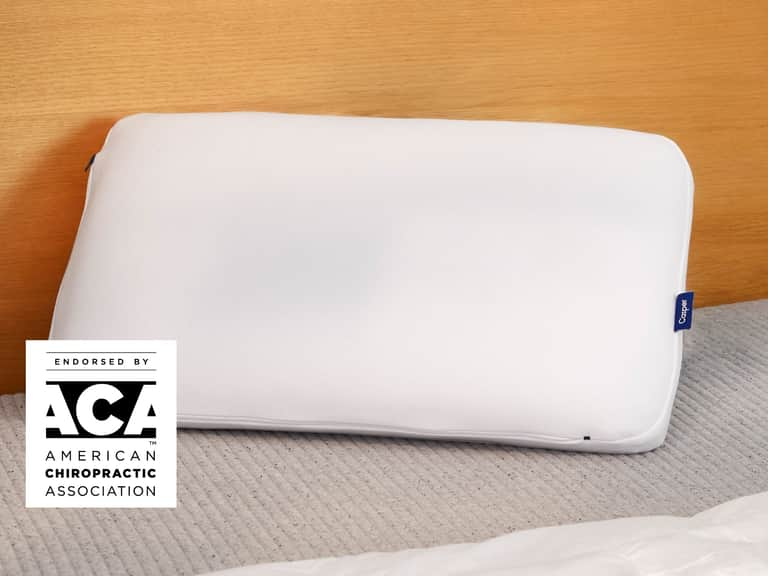
For example, the Hybrid Pillow combines foam layers with a down-alternative fiber core. It is described as having an ultra-soft feel and a supportive profile, with a construction intended to retain shape without fluffing. This is not a down pillow, but it offers a useful point of comparison for someone deciding between a moldable natural fill and a more structured combination of foam and synthetic fiber.
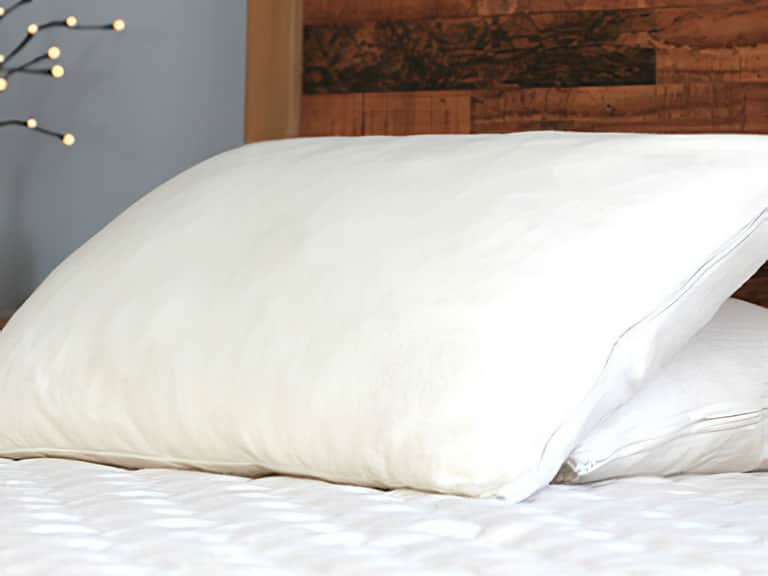
Another distinct option is an adjustable kapok pillow. The Savvy Rest Organic Kapok Pillow uses organic kapok fill and an organic cotton cover, with a design that allows fill to be removed or added. Kapok is not down, and its feel should not be assumed to match it, but adjustable fill can appeal to sleepers who want more direct control over pillow loft.
Comparisons are most useful when they focus on the experience you want. If you like softness and hand-shaping, down may be appealing. If you prefer a more stable shape or less routine fluffing, a structured alternative may deserve a closer look. If customizing height is a priority, consider whether the product actually allows adjustment. A material name can guide the search, but construction and care determine how the pillow fits into daily life.
Care and everyday upkeep
Care instructions vary by pillow, so use the product label as the authority. Do not assume that every down pillow can be washed in the same way or at the same frequency. The casing, seams, fill, and manufacturer guidance all matter. A removable pillow protector can help limit direct contact with skin oils and everyday moisture, while a washable pillowcase makes regular bedding care straightforward.
Some pillows benefit from gentle fluffing to redistribute the fill and restore a more even surface. This can be particularly helpful when a pillow has been compressed during sleep or storage. If your pillow has multiple chambers, follow its care guidance rather than pulling or manipulating the construction in a way that could strain seams. Avoid excessive heat or improvised cleaning methods unless the manufacturer explicitly permits them.
Over time, a pillow may lose some of its original loft or feel. Changes in comfort, persistent flattening, damaged seams, or difficulty keeping the fill evenly distributed can be signs that it is time to reassess. There is no single replacement schedule that applies to everyone. The best guide is whether the pillow remains clean, intact, and comfortable for your needs.
Common myths about down pillows
“Every down pillow is exceptionally fluffy.”
Not necessarily. A pillow’s profile can be low, medium, or high, and construction can shape the way it holds its outline. A low-profile, multi-chamber design may have a more controlled appearance than a very lofty, loosely filled pillow.
“Higher loft always means more support.”
Loft describes height, not a guaranteed level of support. A pillow may compress under the head, so a tall appearance does not tell you how much elevation remains during use. Consider both its profile and its response to pressure.
“A five-chamber pillow must suit every sleep position.”
Chambers describe construction, not universal fit. A five-chamber design may be intended to help a pillow retain its shape, but the result depends on its actual profile, fill, and arrangement. Sleep position and individual comfort still matter.
“Softness and support are opposites.”
They are different qualities. A soft pillow can still feel supportive to one person if its height and compression suit that sleeper; a firmer pillow can feel uncomfortable if it holds the head at an unwelcome angle. Evaluate the combined experience, not a single label.
“The fill tells you everything.”
Fill is only one part of the design. Profile, chamber construction, cover, dimensions, and care all influence how a pillow performs and feels. Read the full product description and look for the details most relevant to your preferences.
How to make a confident choice
Start with sensation rather than trend. Do you want a pillow that feels low and discreet, or one that begins with more visible height? Do you like to knead and shape your pillow, or would you rather it hold a familiar outline? Are you primarily a side, back, or stomach sleeper, and does your current pillow feel too compressed or too elevated in that position?
Next, compare the details that answer those questions. Look for a clearly stated profile, an explanation of chamber design, and information about fill and care. A product described as low-profile, for instance, may suit a shopper seeking less elevation, while a five-chamber design may interest someone who values a more contained shape. Neither phrase alone guarantees comfort, but together they help establish realistic expectations.
If you can test a pillow in person, give it more than a quick press. Let your head rest on it in your usual position and notice how it compresses. If you are shopping online, seek specific measurements and a transparent return policy. When a pillow arrives, take time to assess it across several nights, using the same mattress and bedding arrangement when possible.
Above all, remember that pillow support is personal. A well-chosen pillow is not necessarily the fullest, softest, or most elaborately constructed. It is the one whose height, feel, and upkeep work with your habits, allowing you to settle comfortably without having to fight the bedding into place.
The takeaway
Down pillows are appreciated for their soft, adaptable feel, but the word “down” cannot predict the whole experience. Loft describes height, profile signals how elevated a pillow is designed to be, and chamber construction can influence how fill is contained and how the pillow maintains its shape. Use those details alongside your sleep position and personal preferences. A low-profile, five-chamber pillow may offer a controlled alternative to a taller, more freely shifting design, but the right choice is ultimately the one that feels comfortable under your head and suits the way you sleep.