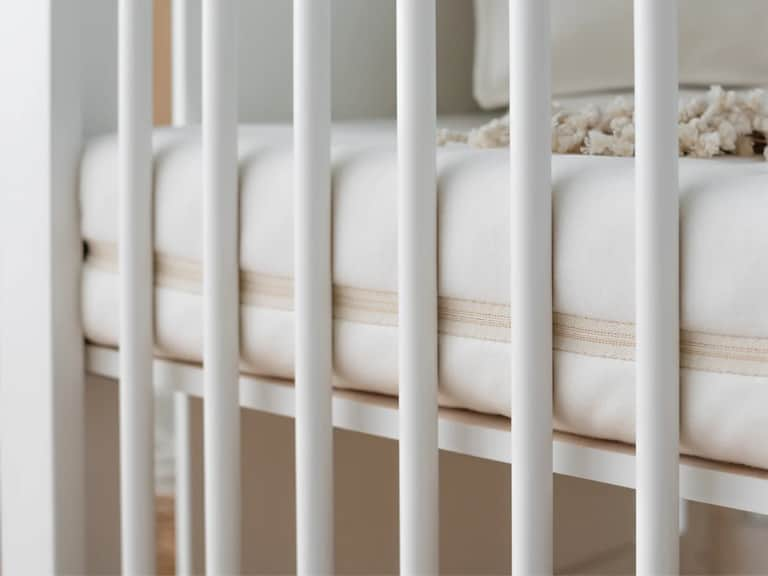
Crib mattresses provide a firm, supportive sleep surface sized for an infant’s crib. Their dimensions and construction affect fit, stability, and everyday use. A properly fitted mattress leaves no large gaps around the edges, while a level, uncluttered sleep surface supports safe-sleep practices recommended by pediatric health authorities.
When evaluating crib mattresses, consider firmness, thickness, materials, and compatibility with the crib frame. The mattress should remain flat and secure during use, with a cover that can be cleaned according to its care instructions. Always check the product label and crib guidance for sizing and maintenance details.
The Obasan Organic Crib Mattress is an example of an organic crib mattress intended for infant sleep. Its organic-material focus may be relevant to families comparing material choices, including latex. Review the specific product information for its internal construction, certifications, firmness, and cleaning requirements rather than assuming all organic mattresses share the same features.
Mattress materials influence feel, support, weight, and care needs. Organic mattresses may use certified natural fibers or other materials, but composition varies by model. Latex is valued for resilience and responsive support when included in a mattress; consumers should confirm whether it is present and consult labeling for allergy or sensitivity considerations.
Crib bedding should be selected to fit the mattress securely, and pillows are generally not recommended in an infant’s sleep space. A fitted sheet made for the mattress dimensions helps limit loose fabric. Considering bedding, material labels, cleaning instructions, and crib compatibility together can clarify how a crib mattress meets practical household needs.
 Nursery